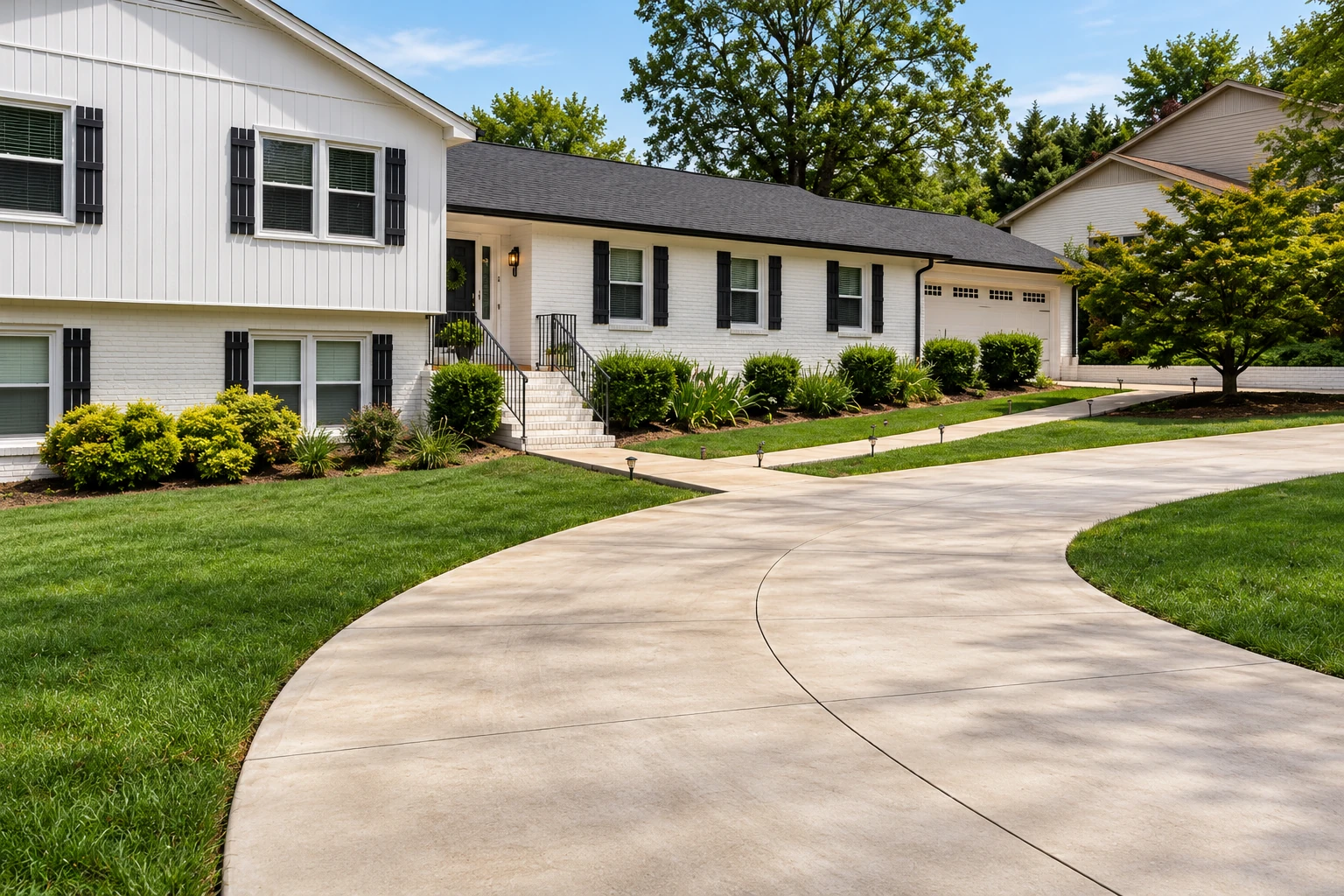
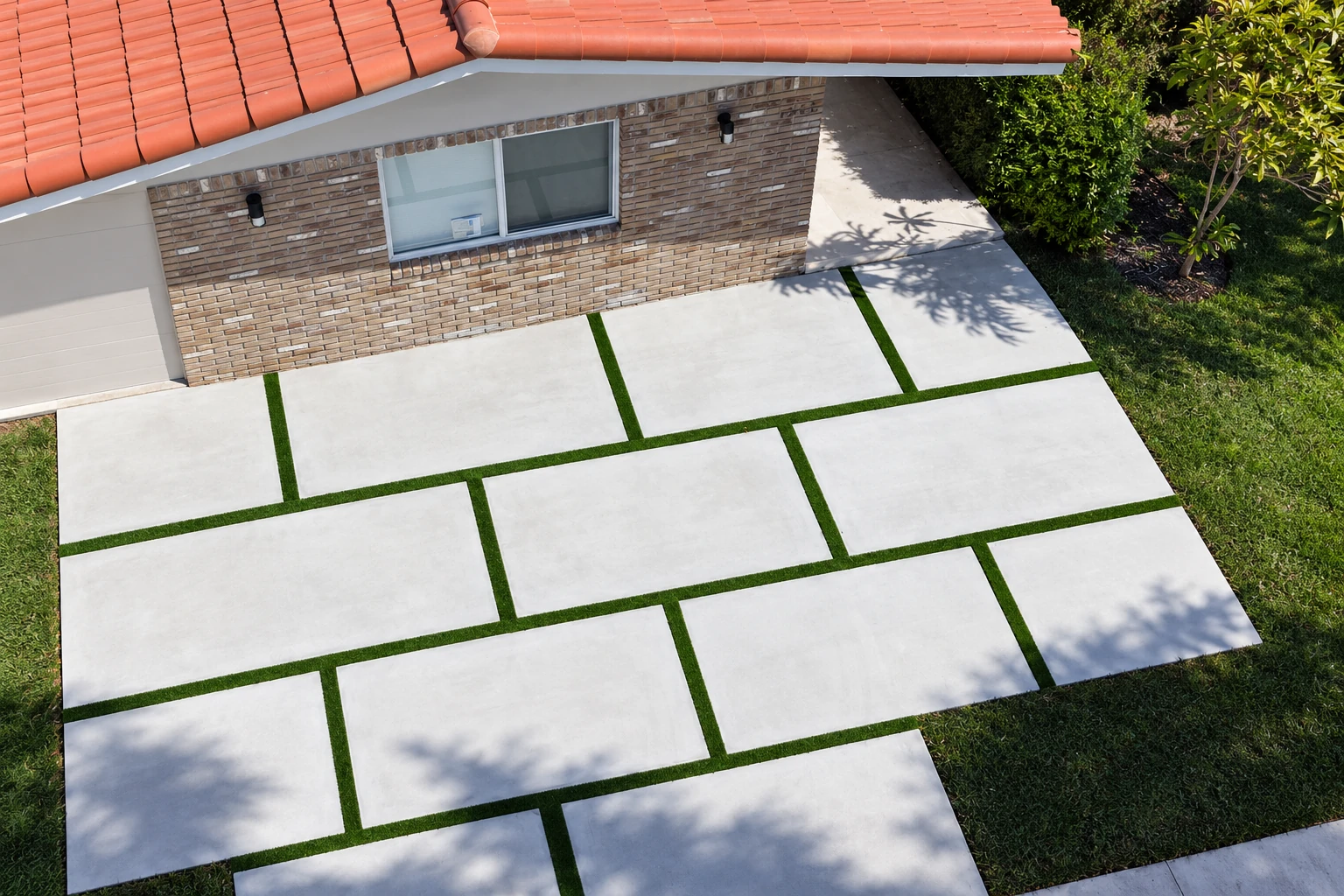
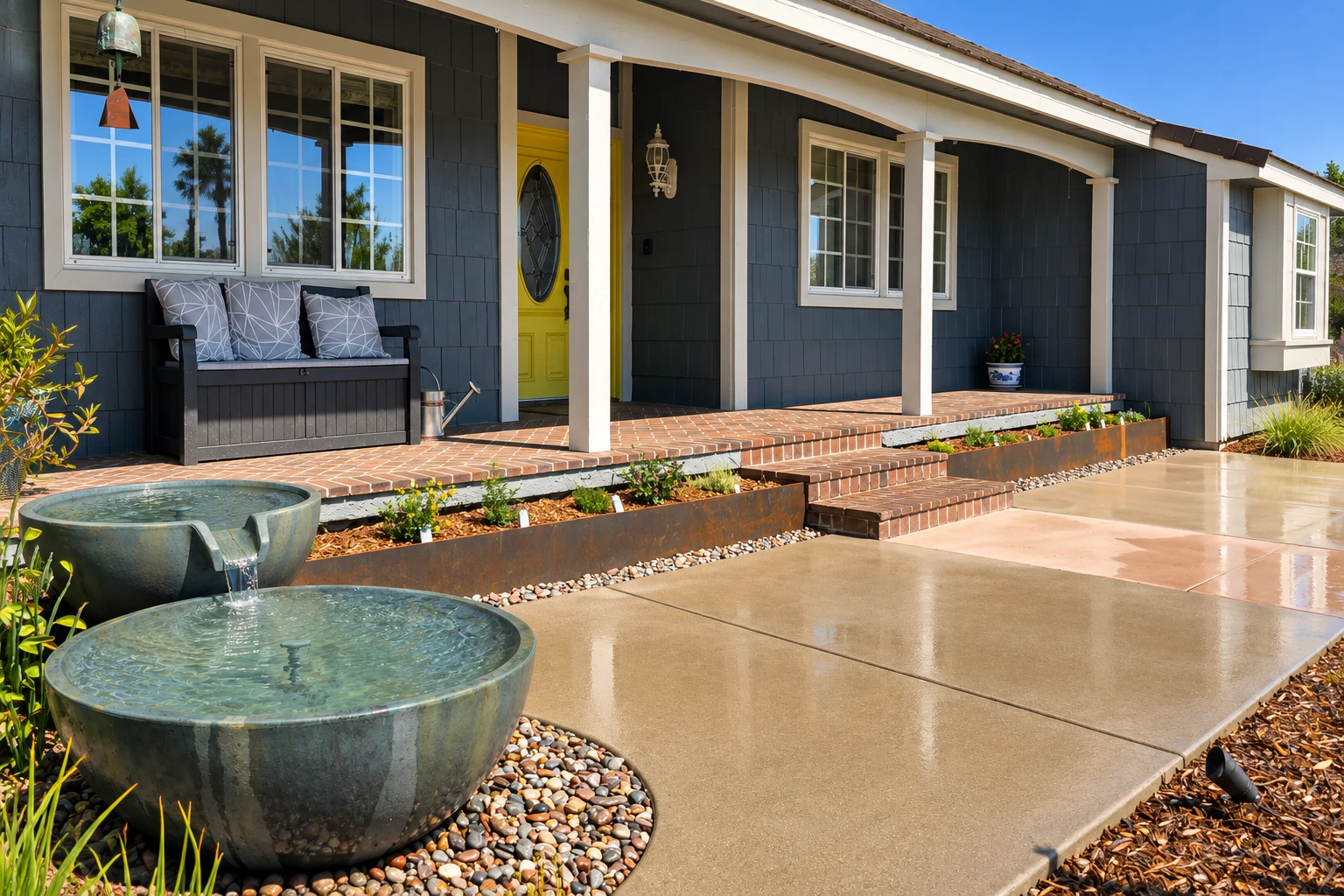
I learned concrete from my dad, pushing a wheelbarrow beside him on flatwork jobs like driveways, patios and sidewalks, and I started Gillette Concrete here in 2013. As a concrete contractor in Gillette, WY, most of my calls are for a new driveway, patio or garage floor, plus steps or a foundation that has started to move. Some come from houses inside city limits and plenty come from places out in the county, and I look at every one myself before our crew does the work with me on site.
The first thing I look at is the ground, because concrete is only as good as what's under it and the care it gets in its first days. Where the water runs off your roof and yard, and what the old slab did, tells me more about the new one than any photo.
What sets your price and schedule
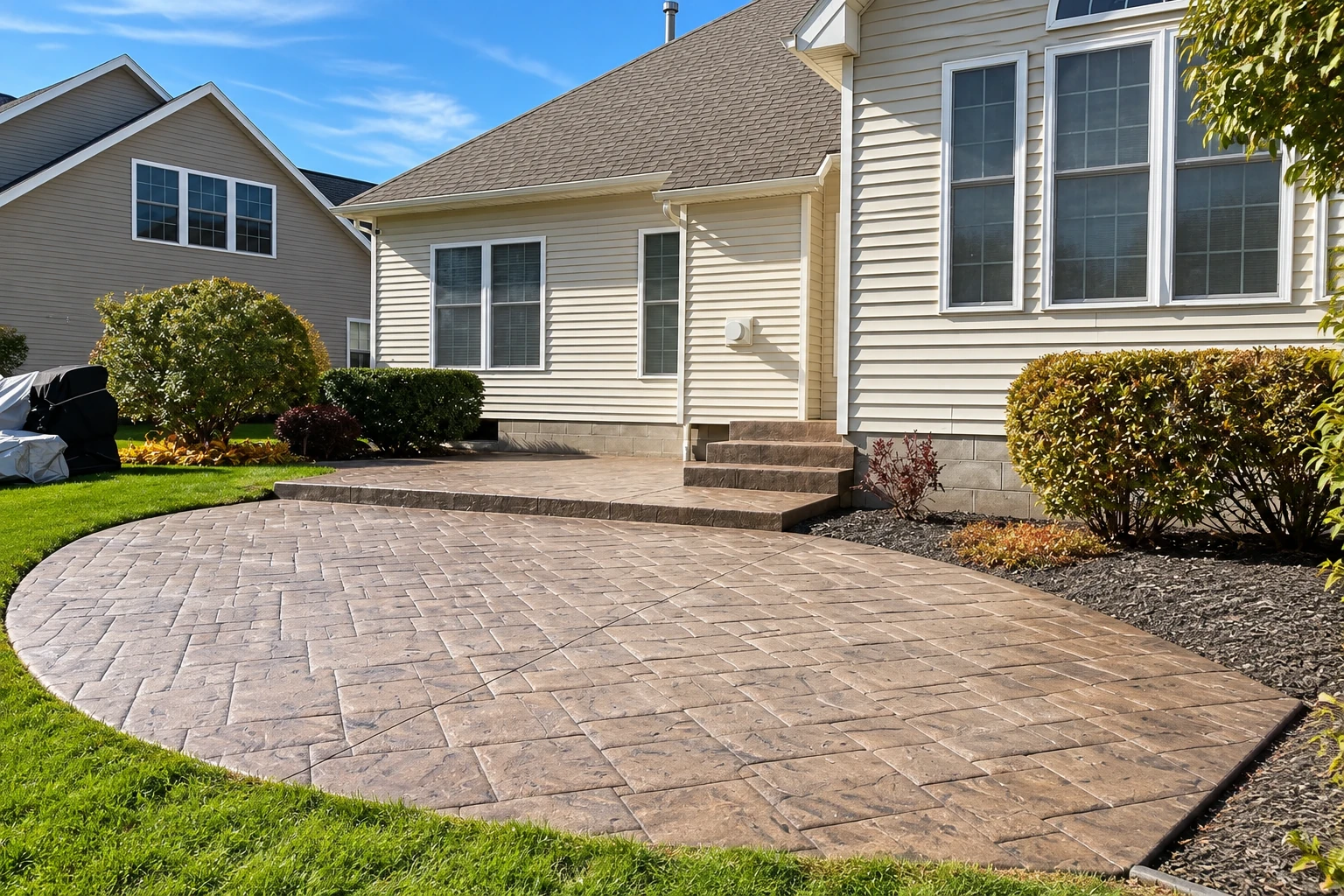
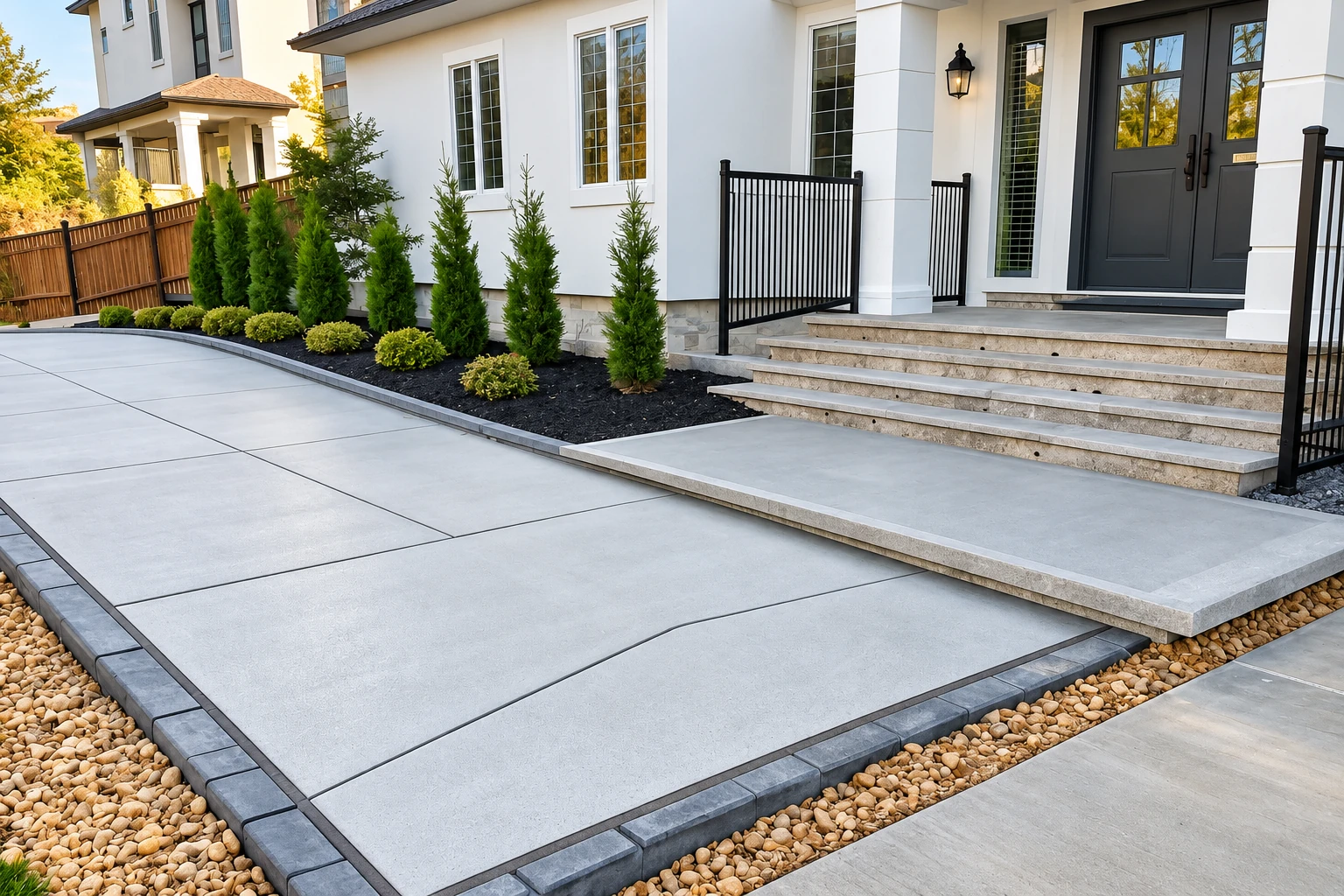
The price turns mostly on size, thickness and how much has to come out first, because tearing out an old slab and hauling it off is real work before we pour anything. Digging out soft ground, getting the truck close and the finish you pick move it too, and a plain broom finish, the light texture that gives tires and boots some grip, costs less than stamped work. The schedule turns on the permit check, the tear-out and curing, the wait while concrete gains strength before you walk or drive on it. I'll walk the site with you at the estimate, and that's where your own number comes from.
Why we spend the money under the slab
If the budget is tight, the base is the last place I'd cut, even though nobody sees it once the pour is done. The subgrade, the ground the slab sits on, has to be dug out and packed rather than raked level, or the concrete settles right along with the loose dirt and cracks over it. We also check where the water runs before we set forms, so the slab falls away from your house instead of toward it. On a new concrete driveway that carries a truck every day, I'd take a plain finish on a good base over a fancy finish on a poor one.
Getting your place ready for pour day
A loaded concrete truck is heavy and needs a clear path, so we look at gates, fences, sprinkler lines and soft lawn at the estimate and plan the route before pour day. On rural places out in the county, a long gravel drive is usually fine, but a tight turn or a wet spot can mean extra time or a pump. We pour early in the day when we can, because a slab that dries too fast in midday heat can end up with a weak, dusty top. Once it's down, keep cars, pets and kids off until we say it's ready, since those first days of curing decide how hard the surface gets.